Facebook
 X
X
 Pinterest
 Copy Link
Begin With Maintenance
The most valuable project is often the one that prevents future damage. A new kitchen may be more exciting than repairing drainage or replacing deteriorated exterior paint, but buyers and inspectors pay close attention to the underlying condition of a home. Visible deferred maintenance can affect buyer confidence, insurance considerations, and the outcome of an inspection. Summer maintenance priorities may include repairing damaged siding or trim, cleaning and inspecting gutters, addressing drainage near the foundation, repairing decks and railings, servicing heating and cooling equipment, correcting plumbing leaks, and trimming vegetation away from the roof and exterior. These improvements may not transform the appearance of a room, but they can protect the value of everything inside it.Improve the First Impression
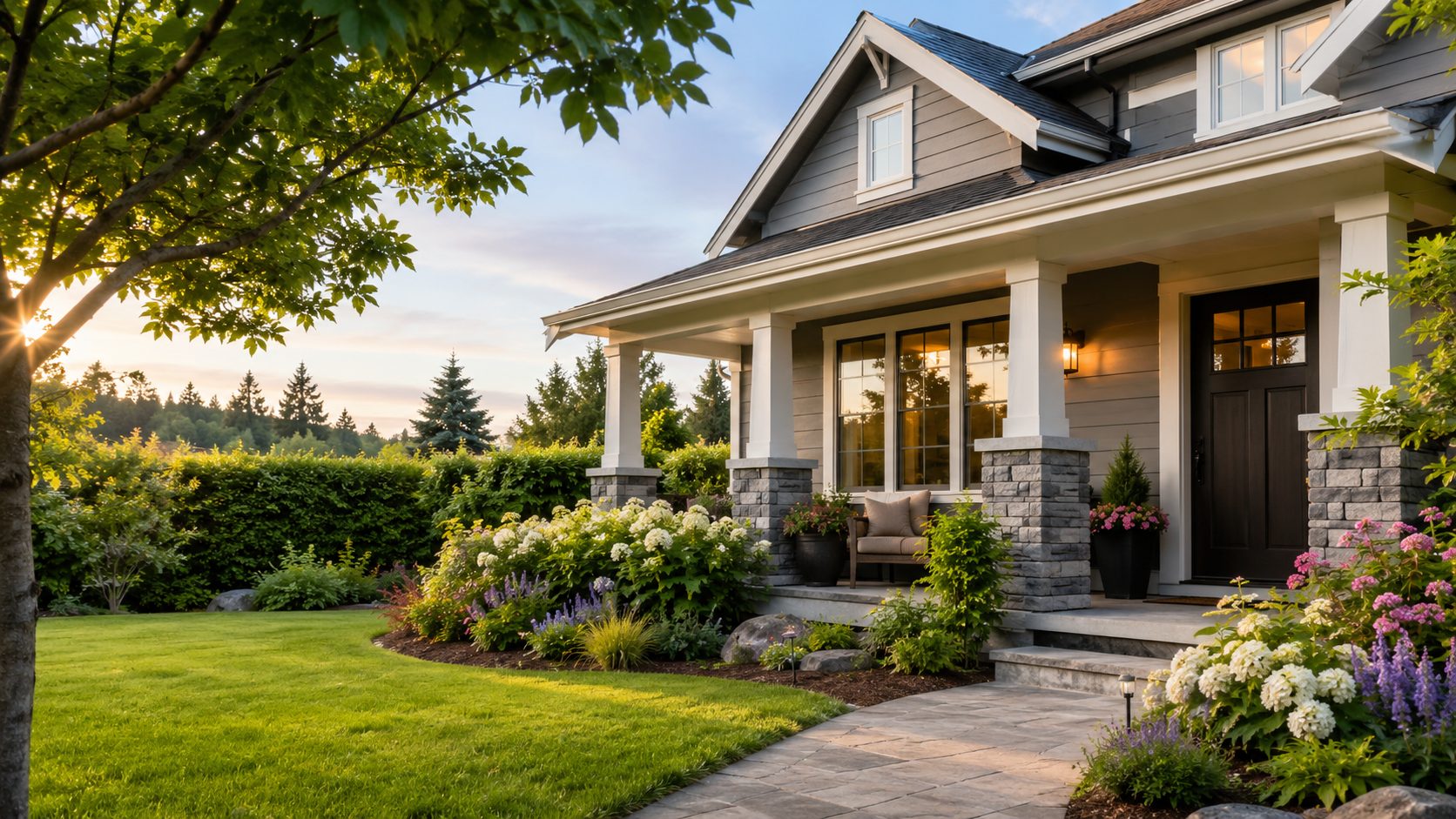
Curb appeal has an immediate influence on how a property feels. A home does not need elaborate landscaping to make a positive impression. Clean walkways, healthy plants, fresh mulch, visible house numbers, a well-maintained entry, and updated exterior lighting can make the property appear more inviting and cared for. Consider beginning with a simple cleanup: remove dead or overgrown plants, edge planting beds, wash walkways and entry steps, touch up exterior paint, clean windows, replace worn door hardware, and add planters near the entrance. The goal is not to create a highly personalized landscape. It is to create a clean, cohesive exterior that complements the home.Make Outdoor Areas More Functional
Outdoor living is especially valuable during a Pacific Northwest summer. A deck, patio, balcony, or backyard does not have to be large to become useful. Comfortable seating, shade, lighting, and a designated area for dining can help the space function as an extension of the interior. Practical enhancements may include repairing and refinishing a deck, adding low-voltage landscape lighting, creating a defined seating area, improving access between the kitchen and patio, adding weather-resistant storage, installing a simple shade solution, or creating space for a grill or outdoor table. Avoid making the space so specialized that it appeals only to a narrow audience. Flexible outdoor areas generally offer the broadest benefit.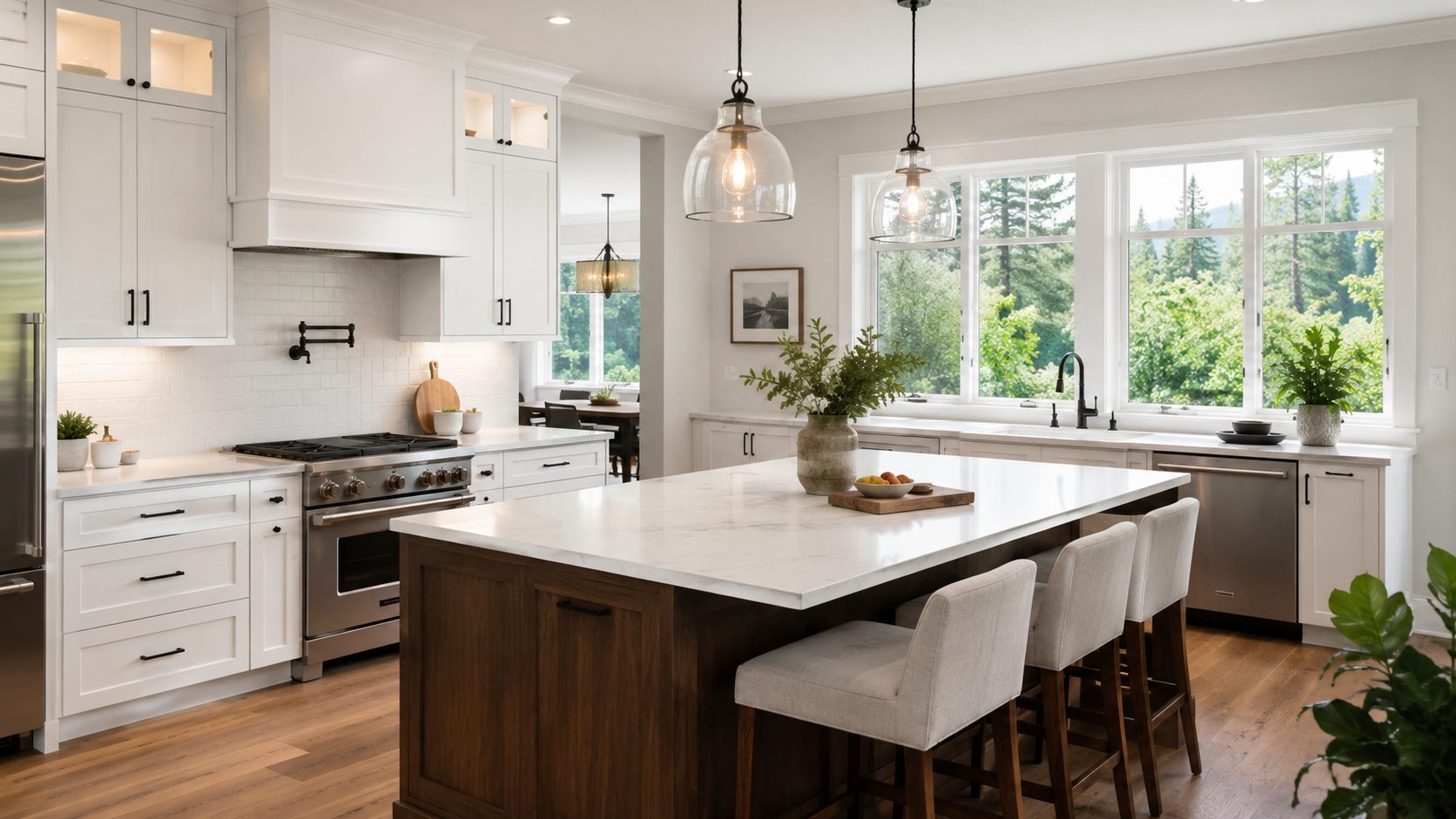
Choose Targeted Kitchen and Bathroom Updates
Kitchens and bathrooms remain important, but a complete remodel is not always necessary. For a home that is otherwise in good condition, targeted updates may produce a noticeable improvement without the cost or disruption of a full renovation. Consider updating cabinet hardware, replacing outdated lighting, installing a new faucet, refreshing paint, replacing a worn vanity, updating mirrors, repairing damaged grout or caulk, or replacing visibly dated fixtures. The best choices will depend on the home’s architecture, price point, neighborhood, and existing condition.Improve Energy Efficiency Thoughtfully
Energy-related improvements can make a home more comfortable while potentially reducing operating costs. Projects may include improving insulation, sealing air leaks, replacing inefficient equipment, installing smart thermostats, or upgrading older windows when replacement is already warranted. It is important to evaluate cost, expected savings, available incentives, and how long you expect to remain in the home. Not every energy project will generate an immediate financial return, even when it improves comfort.Avoid Over-Improving
One of the most common renovation mistakes is spending beyond what the property or neighborhood is likely to support. A highly customized luxury renovation may be worthwhile for your own enjoyment, particularly if you plan to remain in the home for many years. But personal value and resale value are not always the same. Before beginning a major project, consider the home’s current market value, recent comparable sales, the condition of nearby homes, your expected ownership timeline, whether the improvement has broad buyer appeal, and whether maintenance issues should be addressed first. A project can still be a good decision even when you do not expect to recover its full cost. The important thing is to make that decision with realistic expectations.Think About Your Timeline
Your plans for the next several years should influence how you invest in the property. If you plan to stay for five years or longer, you may place greater weight on comfort, personalization, energy efficiency, accessibility, and improvements that support your lifestyle. If you are considering a sale within one to three years, focus on maintenance, neutral presentation, curb appeal, lighting, paint, flooring, and targeted updates with broad appeal. If you are unsure about your plans, prioritize repairs and flexible improvements that will benefit you now without limiting future options.What This Means for Your Home
There is no universal list of projects that will produce the best return for every property. The most effective improvement strategy considers the home’s current condition, neighborhood, likely buyer profile, local market, and your own plans. A project that makes sense for a waterfront home in Kirkland may not be the right investment for a condominium in downtown Bellevue or a historic home in Seattle. Before beginning a major renovation, it can be helpful to understand your home’s current value and compare it with nearby properties that have already been updated. I would be happy to provide a complimentary home value review and discuss how potential projects may affect your home’s marketability.

Real Estate Broker | Windermere Real Estate/Summit LLC
Direct: (425) 739-5385 | Office: (206) 410-6610
License: 26010833
brooke.roselle@windermere.com